

Neural Mobility in Runners: Why It Matters and How to Improve It (Part 1)

When we think about running performance and injury prevention, we often focus on muscle strength, joint mobility, and endurance. However, one crucial yet often overlooked aspect is neural mobility—the ability of our nervous system to move and glide freely within the body.

We often see that restricted neural mobility can lead to discomfort, pain, and even decreased performance in runners.

What is Neural Mobility?

Neural mobility refers to the capacity of nerves to move, lengthen, and slide within their surrounding tissues without restriction. The nervous system is a continuous structure running from the brain to the spinal cord and throughout the entire body. When nerves become compressed, irritated, or restricted in movement, they can create symptoms such as:

Tightness that doesn’t ease with stretching

Persistent muscle tension, especially in the hamstrings or calves

Numbness, tingling, or burning sensations

Pain that worsens with prolonged sitting or running


Why is Neural Mobility Important for Runners?

Runners rely heavily on smooth and efficient movement patterns. If neural mobility is compromised, it can lead to compensatory movement patterns, increased muscle tension, and even overuse injuries. The sciatic nerve, for example, runs from the lower back through the glutes and down the legs. If restricted, it can mimic hamstring tightness, leading runners to overstretch and possibly worsen the issue.

Common areas of Neural Mobility Restrictions in Runners

  • Sciatic nerve entrapment: Often mistaken for hamstring tightness, this can limit stride length and cause discomfort during or after runs.
  • Femoral nerve restrictions: Affecting the front of the thigh, these can create hip flexor tightness or discomfort when extending the leg.
  • Tibial and peroneal nerve limitations: Can contribute to calf tightness, shin splints, or foot pain.
 

How to Improve Neural Mobility


As physiotherapists, we use various techniques to improve neural mobility, including manual therapy, nerve glides, and movement retraining. Here are some simple exercises runners can incorporate into their routines:

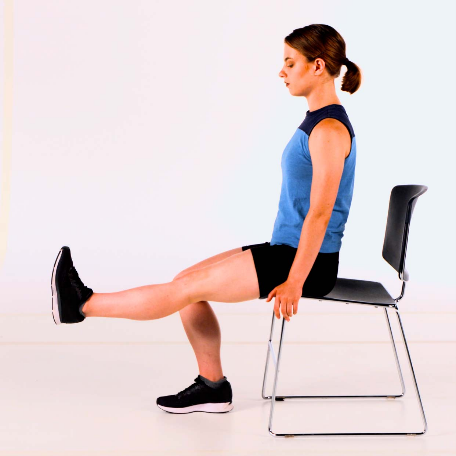
1. Sciatic Nerve Glide

  • Sit on a chair with one foot flat on the floor and the other leg extended.
  • Point your toes up and down while gently extending and flexing the knee.
  • Perform 10-15 reps per leg, ensuring no sharp pain is present.

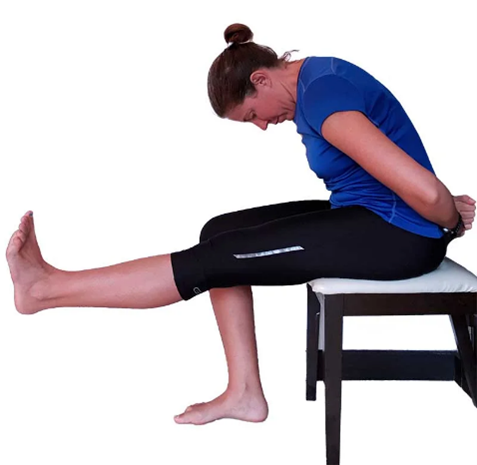
2. Slump Test Stretch (For General Neural Mobility)

  • Sit tall and tuck your chin to your chest.
  • Slowly extend one leg out while maintaining the chin tuck.
  • Point and flex your foot to mobilize the nerve.
  • Perform 10 reps per leg in a controlled manner.

When to Seek Professional Help


If you’re experiencing persistent tightness, pain, or nerve-related symptoms that don’t improve with mobility work, it’s essential to see a physiotherapist. We can assess areas which place tension on the nerves, rule out underlying issues, and provide specific treatments to restore optimal movement.

Neural mobility is a key component of a runner’s overall function and efficiency. Addressing restrictions early can prevent injury, improve stride mechanics, and enhance running comfort. Incorporating nerve glides and mobility drills into your routine can make a significant difference in your running experience.


Stay mobile, stay active, and keep running pain-free!

Book your Free Motion Physiotherapy session

More