


Exams…. Help your child to not only cope, but to thrive
We as parents so often feel helpless when the kids are locked away studying during exam times, but there are actually a few things you can do which can make a huge difference.
Once inside the spiraling vortex of exams and studying, it gets more and more difficult to consider what we or our bodies need. Our children can quickly become stressed about time and fitting things in and exercises and healthy choices become the last thing on their minds. Exercise and sleep, however, are the two most important aspects of surviving any crunch period.
Blood flow to the brain is increased with movement and exercise and helps oxygenate the brain to relieve tension. Teach your children great exam habits from young. Even if they are not yet too stressed, get them into the routine of moving during breaks. It will stand them in good stead when they are older.
What exercise during exams can do for your child:
1. Relieves anxiety and stress
Worrying slows the brain’s ability to process information making it more difficult to concentrate and study. Exercise boosts production of serotonin and dopamine (our body’s feel-good chemicals) creating a change in their mental and physical state.
2. Improves memory retention
The brain chemicals released during exercise are key for memory, concentration and mental sharpness which is why exercise has been shown to boost brain-building hormones and improve memory.
3. Increased focus and concentration
Studies show that exercise can help you organize better, manage complex tasks sharpen focus essential for longer revision sessions and complex questions.
4. Boosts energy levels
When you see they are starting to feel the study slump, remember… The more they move, the better they will feel. Even simple movements can boost brain power and improve muscle strength, helping them to think clearer and find new ways to approach problems.
Which exercises are best?
Any enjoyable exercise will be beneficial, but the best advice is to find something they enjoy. Ideally choose something that leaves them feeling refreshed and recharged rather than exhausted and needing a nap.
Exercise that is too late in the day or too close to bedtime might leave your child feeling ‘wired’ and unable to go to sleep. Exercising first thing and earlier in the day will help boost their quality of sleep that night. It will also contribute to getting enough sleep which has been shown to enhance their academic capabilities.
Here are 4 simple movement suggestions which should feel great:
1. Low back twist
Lie comfortably on your back
Hold your right knee with you left hand and draw it over to the left side
Turn your head to the right if comfortable
Hold for 5 deep breaths
Repeat to the other side
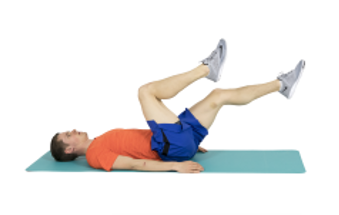
2. Bicycle
Lie comfortably on your back with your feet in the air
Slowly pedal the legs as if riding a bicycle
You should feel the lower stomach activate and work
Continue for 30 seconds or longer if it feels good
Make sure you don’t feel any loading or discomfort in the lower back
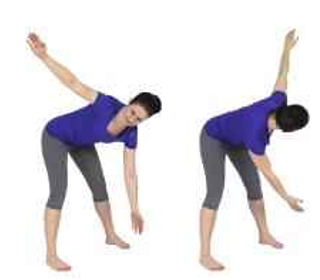
3. Swinging arm twists
Stand comfortably with feet apart
Bend forwards, keeping arms straight to side and twist left and right
Continue for as long as feels good or 10 to each side
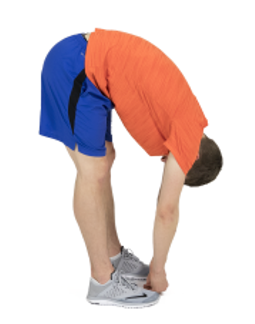
4. Forward bend
Stand with feet hip width apart
Slowly allow your body to lower forwards
You can look towards your knees if comfortable
The blood flow to the head is very beneficial
Pause for 2 breaths and return to starting position
Repeat 5 times
So, for all the parents wondering where the end is, hang in there! Just try to be supportive by instilling great exam habits in your kids from a young age. They should feel better after moving and want to do it again (albeit with encouragement).
“I find that the harder I work, the more luck I seem to have”. Thomas Jefferson
Book your Free Motion Physiotherapy session
More

Pre-season: Recharge. Reset. Rebuild
As the year winds down, so should your training intensity. December isn’t just a time for holidays- it’s a crucial

Shin splints: The sneaky overuse injury you shouldn’t ignore
There’s nothing worse than finding your stride, only to be stopped in your tracks by a stubborn ache in your

Is your body waving a red flag? How to detect overuse injuries
Have you ever had a small ache that started during a run or workout? At first you can ignore it