Sever’s Disease and Osgood-Schlatter in Kids: Common Causes of Heel and Knee Pain
If your active child suddenly starts complaining of heel or knee pain after sport, they may be experiencing one of two common growth-related conditions: Sever’s disease or Osgood-Schlatter disease.
Both conditions are frequently seen in children and adolescents who participate in sport, particularly those involving running, jumping, sprinting, or kicking. The good news is that although these injuries can be uncomfortable, they are very common and usually temporary.
What is Sever’s Disease?
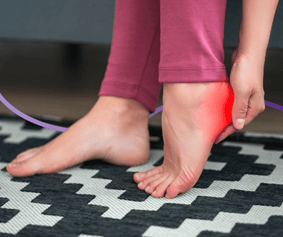
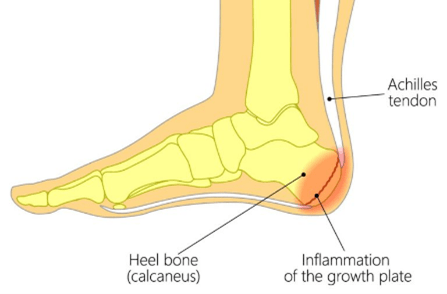
Sever’s disease (also known as calcaneal apophysitis) causes pain at the back of the heel where the Achilles tendon attaches to the growth plate of the heel bone.
It most often affects children between 9 and 14 years old, particularly those who are very active in sport.
Repetitive running and jumping, combined with tight calf muscles, can increase stress on this growth area and lead to irritation and pain.
Children with Sever’s disease often complain of:
- Pain at the back of the heel during or after sport
- Limping after activity
- Tenderness when the heel is squeezed
- Stiffness in the calves
What is Osgood-Schlatter Disease?
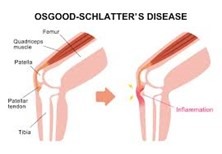
Osgood-Schlatter disease affects the knee, specifically where the patellar tendon attaches to the growth plate on the top of the shinbone (tibia).
It is also common in active children during growth spurts and is often triggered by sports involving sprinting, jumping, or kicking.
Typical symptoms include:
- Pain just below the kneecap
- A tender or swollen bump on the top of the shinbone
- Pain during running, jumping, or squatting
- Symptoms that improve with rest but return with activity
Why Do These Conditions Happen?
Both Sever’s disease and Osgood-Schlatter are growth-related overuse injuries.
In growing children, the growth plates are softer and more sensitive to stress. During periods of rapid growth, muscles can become tight and place increased tension on tendons.
When these tendons repeatedly pull-on developing growth areas during sport, irritation and pain can occur.
Sports commonly associated with these conditions include:
- Soccer
- Rugby
- Athletics
- Hockey
- Netball
- Tennis
- Dancing
Treatment for Sever’s Disease and Osgood-Schlatter
Treatment focuses on reducing irritation while keeping the child as active as possible.
The first step is often load management, which may involve temporarily reducing activities that cause pain, particularly repetitive running, sprinting, or jumping.
Complete rest is rarely necessary, but modifying activity levels can help symptoms settle.
Physiotherapy can play an important role by:
- Improving flexibility in tight muscles such as the calves, quadriceps, and hamstrings
- Addressing strength deficits around the hips and legs
- Guiding a gradual return to sport
- Correcting movement patterns that may increase stress on the knee or heel
Supportive strategies may also help manage symptoms, including:
- Heel raises or cushioned footwear for Sever’s disease to reduce strain on the heel
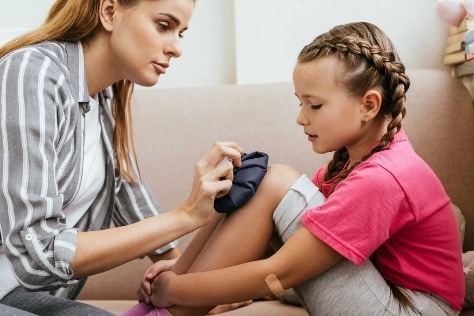
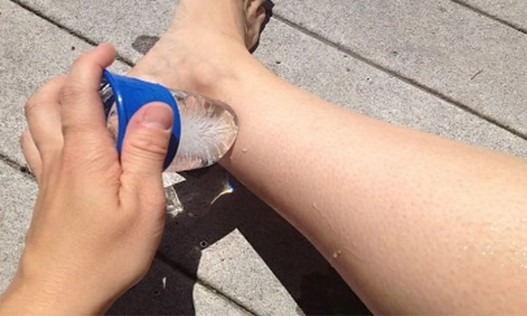
- Ice after activity if the area is irritated
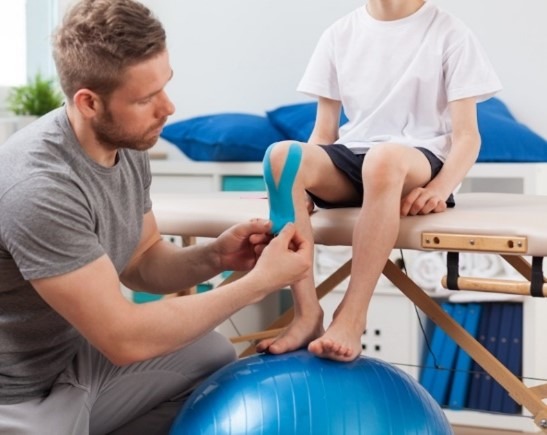
- Temporary taping or strapping for support during sport
Prevention Tips for Young Athletes
Although these conditions are linked to growth and cannot always be prevented entirely, the risk can often be reduced with good training habits.
Helpful strategies include:
- Gradual increases in training load, especially during the season or growth spurts
- Maintaining flexibility in the calves, quadriceps, and hamstrings
- Building strength and control in the hips and lower limbs
- Ensuring appropriate footwear and training surfaces
- Allowing adequate recovery between training sessions
When Should You See a Physiotherapist?
Consider seeking help if:
- Pain continues for several weeks
- Your child starts avoiding sport
- Limping becomes frequent
- Symptoms worsen instead of improving
Early assessment can help manage symptoms and guide a safe return to sport.
Keeping Young Athletes Active
Sever’s disease and Osgood-Schlatter can be frustrating for young athletes and parents, but with the right management most children are able to continue participating in sport safely while they grow.
If your child is struggling with ongoing heel or knee pain, the team at Free Motion Physiotherapy can help assess the problem and guide them back to activity with confidence.
Book your Free Motion Physiotherapy session
More

What Is Biokinetics & How Does It Work with Physiotherapy?
At Free Motion, we believe movement is medicine, but just as important as movement is the right movement, at the

Hamstring Tendinopathy in Young Athletes: why rest alone isn’t the answer
We have seen a lot of young athletes with hamstring pain since the athletics season kicked off this year. Hamstring

Pre-season: Recharge. Reset. Rebuild
As the year winds down, so should your training intensity. December isn’t just a time for holidays- it’s a crucial