


THE IMPORTANCE OF PRE-SEASON TRAINING
A planned and effective pre-season can mean the difference between an enjoyable and successful season and facing a frustrating season. Nobody wants to deal with injuries and have time off recovering. Many of the most successful seasons owe everything to the hard work put in during pre-season, long before and races or competitions start. To make the most of your pre-season training, it’s important to understand what, why and how.
WHAT IS PRE-SEASON TRAINING AND WHY SHOULD YOU DO IT?
Pre-season training focusses on improving an athlete’s fitness, strength, endurance, and sport-specific skills to get them ready for the new season. A good time frame for pre-season training is 4 to 6 weeks.
The main aim of pre-season training is to make athletes better at their respective sports by building a strong foundation for the demands of sport and most importantly- to prevent injuries. If a body has been exposed to pre-season building, it has already been exposed to the loads and requirements for racing and will be more resilient. If athletes are starting with competitions right off the bat without proper preparation, it can be a shock to the system and end up being too much too fast, making their bodies much more susceptible to injuries.
COMPONENTS TO INCLUDE IN PRE-SEASON TRAINING
FITNESS and ENDURANCE: During the pre-season it is important to work on your fitness and endurance, since exhaustion is a major risk for sustaining an injury- the more tired your body is the less control you have over your movements. It’s better to start slowly and build your fitness gradually to make sure you’re not overloading your body.
CONDITIONING and SKILLS: It’s important to refine your gross and fine motor skills that are needed for your sport, like practicing jumps, changes in direction, ball skills etc.
STRENGTH and STABILITY: As physiotherapists, this is the part most often focus on. We see a lot of athletes who have the strength but lacking the stability and full control over their movements. Since athletes usually want to move quickly, they tend to use a lot of momentum instead of using their muscles to control the movement.
HOW TO IMPROVE YOUR STRENGTH AND STABILITY DURING PRE-SEASON
Here are some key approaches that can help:
1. Core Strengthening
A strong core is essential for your overall stability, since you need stability at the center of your body to have good quality of movement in the upper and lower body.
2. Balance Training
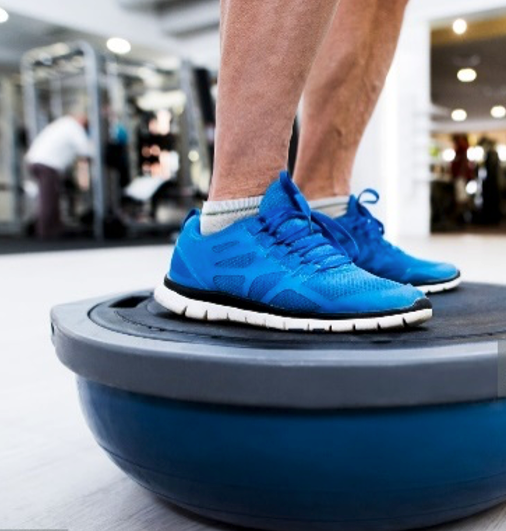
It’s a good idea to incorporate single-leg exercises, since most sports require you to use one leg at a time: Try single-leg deadlifts, single-leg squats, or simply standing on one leg on an unstable base to work on balance. Doing exercises on unstable surfaces can train stability and improve proprioception (awareness of your body in space).
3. Strengthening Glutes and Hips
Your glutes play a huge role in propelling you forward during running and keeping the pelvis stable. It’s better to start with exercises using both glutes like a double leg bridge- and then progress to doing them on a single leg. With this type of exercise, you want to focus on doing the movements in a SLOW and CONTROLLED manner to optimally challenge the muscles.
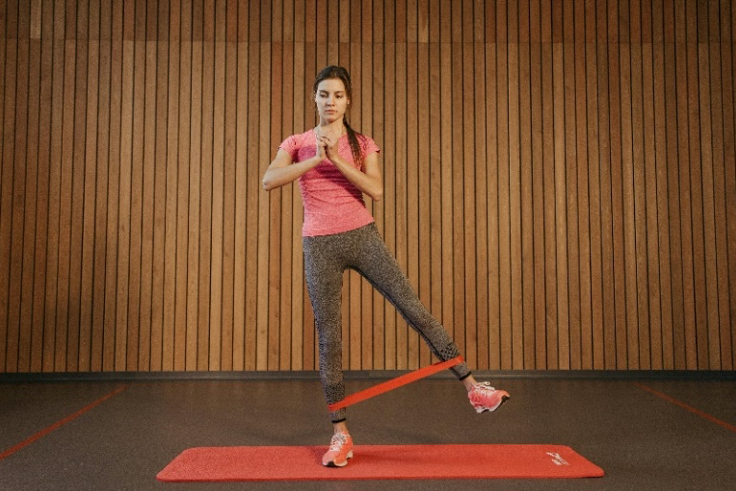
Monster Walks and Lateral Band Walks: Adding resistance bands helps activate the glutes and improve hip stability, which is particularly beneficial for athletes.
4. Incorporate Plyometrics for Dynamic Stability
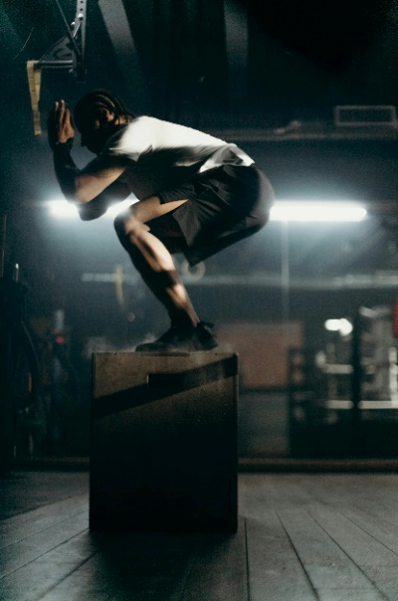
Once you are stronger and can do your strengthening exercises in a controlled manner, start to incorporate bounding, hops, and box jumps: These exercises train stability in motion, which can mimic game situations and improve overall balance when moving quickly.
5. Consistency and Progression
Start with simple movements, then add components as you progress. For example, begin with basic core exercises, then progress to doing them on an unstable surface. Staying consistent with these exercises will set a strong foundation for the upcoming season, reducing injury risk and enhancing your athletic performance.
Remember to always listen to your body and understand that if you have not been training during pre-season, but rather indulging in holiday spoils, you will need to build slower than you may have hoped allowing your body time to adapt and strengthen before racing and pushing the limits.
Book your Free Motion Physiotherapy session
More

Pre-season: Recharge. Reset. Rebuild
As the year winds down, so should your training intensity. December isn’t just a time for holidays- it’s a crucial

Shin splints: The sneaky overuse injury you shouldn’t ignore
There’s nothing worse than finding your stride, only to be stopped in your tracks by a stubborn ache in your

Is your body waving a red flag? How to detect overuse injuries
Have you ever had a small ache that started during a run or workout? At first you can ignore it